Imagine having the ability to easily interpret past and current business travel patterns, pinpoint connections between various factors that influence your travel program, and even forecast future trends based on historical data. This is the power of business travel analytics, a process that allows companies to make informed, data-driven decisions to optimize their travel management strategies.
By harnessing insights from business travel data, organizations can streamline their travel processes, manage expenses more effectively, and gain a competitive edge. In this guide, we'll break down the key aspects of business travel analytics and show how implementing these solutions can transform your company's travel operations.
What Is Business Travel Analytics?
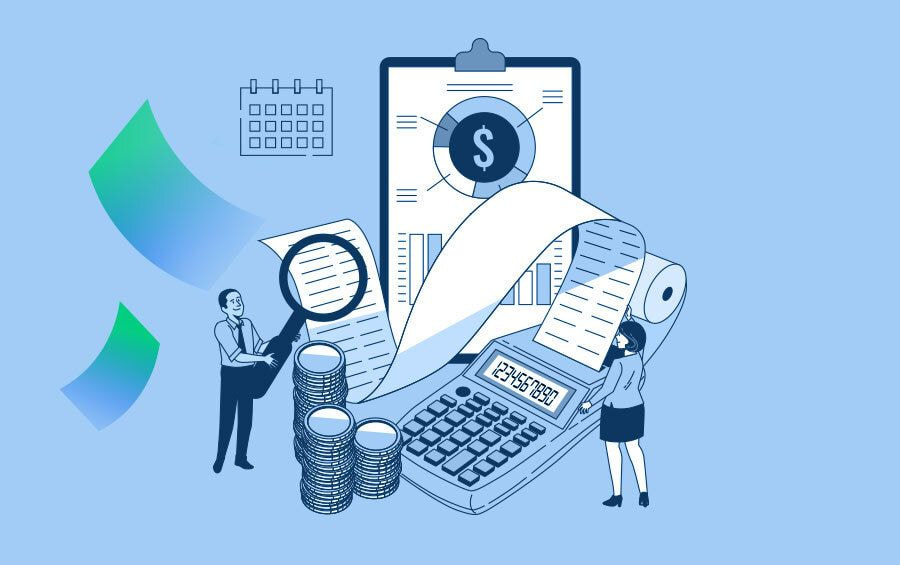
Business travel analytics refers to the practice of collecting and analyzing data to improve a company's travel management strategy. By leveraging data, organizations can track travel expenses, monitor compliance, and identify potential areas for cost savings. These insights help businesses fine-tune their travel policies, enhance employee satisfaction, and ultimately, improve overall performance.
Investing in business travel analytics tools can provide a significant competitive advantage, enabling your organization to anticipate changes in travel patterns and adapt accordingly.
The Business Travel Analytics Process:
The process of business travel analytics involves several stages, starting with data collection. Analysts first define the key performance indicators (KPIs) and metrics relevant to the organization’s travel strategy. This data is then gathered from both internal sources (such as expense reports) and external sources (such as industry benchmarks).
Next, various data analysis techniques are applied to interpret the information and uncover trends. These techniques include:
• Descriptive Analytics: Visualizing data through charts, reports, or statistics to give a snapshot of travel activities.
• Diagnostic Analytics: Examining how travel trends impact overall business outcomes.
• Predictive Analytics: Using machine learning algorithms to predict future travel trends based on past patterns.
Once these insights are generated, they guide decision-making processes aimed at optimizing travel spend and improving program efficiency.
Key Metrics in Business Travel Analytics:
Business travel analytics involves evaluating a wide range of metrics to gain a clearer understanding of your company’s travel trends. These include:
• Travel Spend: Where is money being allocated? Are there opportunities to reduce travel costs without sacrificing quality?
• Travel Volume: How many trips are being taken, and what methods of transport are most commonly used?
• Average Trip Cost: What are the primary drivers of travel costs, and how can these expenses be controlled?
• Savings Achieved: Are there cost-saving measures being implemented effectively? What can be improved?
• Compliance Rate: Are employees adhering to travel policies, and how easily accessible are these policies?
• Traveler Satisfaction: Are employees happy with their travel experiences? What could be done to enhance their satisfaction?
Analyzing Business Travel Data: What to Focus On:
In addition to analyzing core metrics, it's important to look at other dimensions of business travel, including:
• Booking Patterns: How are employees booking their travel? Are they doing so in advance or last minute?
• Travel Destinations: Which locations are frequently visited, and how do these change over time?
• Preferred Vendors: Are there preferred airlines, hotels, or transportation providers? Can better relationships be established with certain vendors to reduce costs or improve service?
• Seasonal Variations: Does travel volume fluctuate seasonally or during specific periods of the year?
The Benefits of Business Travel Analytics:
By implementing business travel analytics, companies can significantly improve the efficiency of their travel programs. Here are some of the main advantages:
• Enhance Policy Compliance: Identify patterns of policy violations and adjust your program to reduce overspending.
• Cost Reduction: Uncover why trips are canceled or booked at the last minute, and take steps to avoid unnecessary expenses.
• Increase Employee Satisfaction: Understand how employees prefer to book travel, making adjustments to improve their experience.
• Accurate Budgeting: Make precise forecasts and ensure that travel spending aligns with budgetary goals.
• Optimized Vendor Selection: Choose vendors that offer the best value, based on price, convenience, and environmental impact.
How Technology Supports Business Travel Analytics:
Implementing a successful business travel analytics program can require a significant investment in time and resources. Fortunately, technology offers several solutions that simplify the process. Travel management software, for example, allows companies to oversee their business travel operations through a centralized platform. These platforms not only simplify bookings and expense reporting, but many also include built-in analytics tools that help businesses understand travel patterns and make data-driven decisions.
Some of the key features offered by modern corporate travel software include:
• Advanced Travel and Expense Dashboards: Break down travel data by individual traveler, transportation type, cancellations, recoverable VAT, and more.
• Interactive Maps: Keep track of your team’s travel status in real-time using an interactive dashboard.
• VAT Insights: Analyze recoverable VAT spending and predict potential year-end savings.
• Cost Breakdown: Understand how your budget is distributed across departments, transportation modes, and travel locations.
Conclusion
Business travel analytics offers a powerful way for companies to optimize their travel programs, cut costs, and improve employee satisfaction. By gathering and analyzing key travel data, organizations can make informed decisions that lead to more efficient and effective business travel management. Investing in travel analytics technology is a smart move for any business looking to stay ahead in an increasingly competitive market.
For more blogs, please visit our website www.airbooking.com
Plan corporate travel with AirBooking