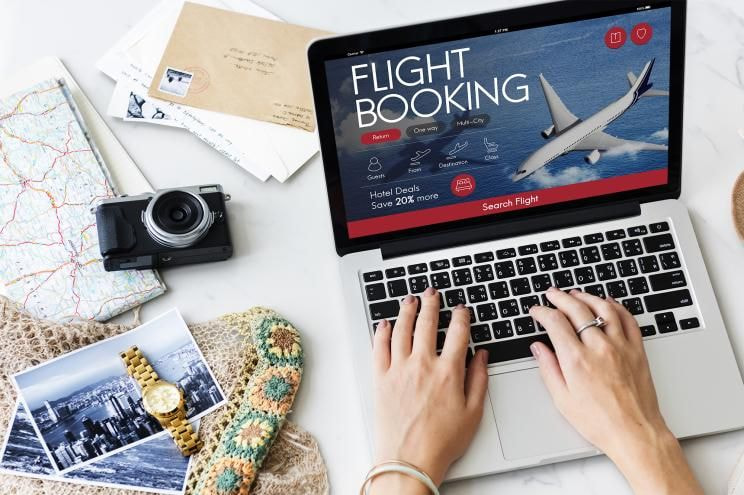
Corporate travel ranks among the largest expenses that a company incurs, second only to employee salaries. While necessary, corporate travel can become significantly more expensive without a robust strategy and effective techniques. Expense spillage is a major challenge when optimizing corporate travel costs. Uninformed employees, poor budgeting, and unsound travel policies are key reasons behind these challenges. However, with careful planning and efficient coordination, these expenses can be minimized. Here are some top tips to organize a cost-effective corporate trip like a pro.
Manage Corporate Travel Savings:
1. Tighten Up Your Corporate Travel Policy
A well-defined corporate travel policy sets clear guidelines around trip rules and travel expenses, preventing employees from overspending. Travel admins should use a segmented strategy, categorizing employees based on travel needs. VIP travel is more cost-intensive than standard employee trips. Creating a comprehensive travel policy tailored to the organization's needs is crucial.
2. Implement a Pre-Trip Approval Process
Without a gatekeeper to oversee business travel details and costs, employees may book travel outside of policy guidelines. This can lead to high-cost bookings that negatively impact the trip’s ROI and the company budget. A structured approval process can significantly save costs on each trip by ensuring compliance and oversight.
3. Utilize Preferred Suppliers
Flights, hotels, and transportation are major expenses in corporate travel. Travel admins can reduce costs by creating a list of preferred suppliers that meet their requirements and offer favorable booking policies. Negotiating with these suppliers can secure flexible corporate rates and regular discounts, further reducing travel expenses.
4. Train Employees on Travel Policies
A comprehensive travel policy sets essential rules, but employees must understand and follow them to achieve the policy’s objectives. Training employees on booking procedures, approval processes, and policy details ensures compliance and promotes high ROI. Employees should have easy access to the travel policy and know the key points of contact.
5. Balance Comfort and Cost
While affordability is crucial, it should not come at the expense of employee comfort. Cheap travel options can lower employee morale and lead to negative reviews, complaints, and potential turnover. Travel managers must balance cost savings with adequate comfort to maintain employee satisfaction and trust.
6. Plan Ahead
Travel costs are dynamic, and last-minute bookings can be expensive. Planning trips in advance allows companies to secure the best deals and accommodate any changes in plans. Forecasting future trends and events helps in effective planning and cost management.
7. Monitor Travel Auxiliary Charges
Travel expenses extend beyond flights and hotels to include parking, meals, local transportation, and other incidental costs. These smaller expenses can add up, especially in group travel. Travel admins should monitor and optimize these auxiliary charges to prevent budget overruns.
8. Consider Travel Management Services
Travel management service providers offer specialized booking and management services that align with corporate travel policies. Their industry experience and supplier networks enable them to negotiate better rates and provide comprehensive travel management support. These services include expense management systems, GDS access, and dedicated support staff.
9. Reward Your Employees
Recognizing and rewarding employees for efficient travel practices can boost morale and productivity. Simple acknowledgments, monetary incentives, and opportunities for leisure during business trips can motivate employees and enhance their travel experience. Incorporating leisure trips as a norm can further strengthen employee satisfaction and loyalty.
Conclusion:
Corporate travel is essential for business expansion, but it must be strategically managed to optimize costs and achieve high ROI. Travel admins should stay proactive and implement effective travel policies, approval processes, and supplier partnerships. By planning ahead, monitoring expenses, and rewarding employees, companies can ensure efficient and cost-effective corporate travel.
Plan corporate travel with AirBooking